


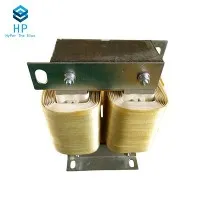



As a supplier of electric reactors, I've witnessed firsthand the transformative impact these devices have on energy efficiency. Electric reactors, often overlooked in the grand scheme of power systems, play a crucial role in optimizing energy use and reducing waste. In this blog, I'll delve into the energy - saving effects of electric reactors and explain why they are an essential component for modern power management.
Power Factor Correction
One of the primary energy - saving effects of electric reactors is their ability to improve the power factor of an electrical system. The power factor is a measure of how effectively electrical power is being used. A low power factor means that a significant portion of the electrical energy is being wasted, typically in the form of reactive power. Reactive power does not perform any useful work but still has to be supplied by the power grid, leading to increased energy consumption and higher electricity bills.
Electric reactors, especially Variable Reactor, can be used to compensate for the reactive power in an electrical system. By adjusting the inductance of the reactor, it can counteract the capacitive or inductive reactance in the system, bringing the power factor closer to unity (1). When the power factor is improved, the amount of real power available for useful work increases, while the amount of reactive power is reduced. This results in less energy being wasted and a more efficient use of electrical power.
For industrial facilities, a poor power factor can lead to substantial financial losses. Many utility companies charge penalties for low power factors, so improving the power factor can not only save energy but also reduce electricity costs. By installing electric reactors for power factor correction, industries can optimize their energy consumption and improve their bottom line.
Current Limiting
Another important energy - saving effect of electric reactors is their ability to limit the current in an electrical circuit. In power systems, short - circuits and over - currents can occur due to various reasons, such as equipment failures or lightning strikes. These abnormal currents can cause significant damage to electrical equipment and disrupt the normal operation of the power system.
Flat Wave Reactor and other types of current - limiting reactors are designed to limit the magnitude of these abnormal currents. By increasing the impedance of the circuit during a short - circuit or over - current event, the reactor reduces the current flow, protecting the electrical equipment from damage. This not only extends the lifespan of the equipment but also reduces the energy losses associated with excessive current flow.
In addition, current - limiting reactors can help to stabilize the voltage in the power system. When a short - circuit occurs, the voltage in the system can drop significantly. By limiting the current, the reactor helps to maintain a more stable voltage, ensuring the proper operation of electrical equipment. This stability reduces the need for additional energy to compensate for voltage fluctuations, leading to energy savings.
Harmonic Filtering
Harmonics are unwanted electrical frequencies that can distort the normal sinusoidal waveform of an electrical signal. These harmonics are often generated by non - linear loads such as variable - speed drives, rectifiers, and electronic devices. Harmonics can cause a variety of problems in an electrical system, including increased energy losses, overheating of equipment, and interference with communication systems.
Electric reactors can be used as part of a harmonic filtering system to reduce the levels of harmonics in an electrical system. Balancing Reactor can be designed to resonate at specific harmonic frequencies, effectively filtering out these unwanted frequencies. By reducing the harmonic content in the electrical system, the energy losses associated with harmonics are minimized.
For example, harmonic currents can cause additional heating in transformers and other electrical equipment. By filtering out the harmonics, the temperature of the equipment can be reduced, which not only improves the efficiency of the equipment but also extends its lifespan. This results in energy savings and reduced maintenance costs.
Energy Storage and Smoothing
Some types of electric reactors can also be used for energy storage and smoothing. In renewable energy systems, such as solar and wind power, the output of the power generation is often intermittent. Electric reactors can be used to store energy during periods of high power generation and release it during periods of low power generation.
This energy storage and smoothing function helps to balance the power supply and demand in the electrical system. By reducing the fluctuations in power output, the electrical system can operate more efficiently. For example, in a solar power system, an electric reactor can store the excess energy generated during the day and release it at night when the solar panels are not producing electricity. This reduces the need for additional energy from the grid, leading to energy savings.
Conclusion
In conclusion, electric reactors offer a wide range of energy - saving effects. From power factor correction and current limiting to harmonic filtering and energy storage, these devices play a vital role in optimizing the energy efficiency of electrical systems. As a supplier of electric reactors, I'm committed to providing high - quality products that can help our customers reduce their energy consumption and costs.


If you're interested in learning more about how electric reactors can benefit your electrical system or if you're looking to purchase electric reactors for your project, I encourage you to reach out to us. We have a team of experts who can provide you with detailed information and guidance on the best solutions for your specific needs. Let's work together to create a more energy - efficient future.
References
- Electric Power Systems: Analysis and Control, by Claudio A. Cañizares
- Power System Harmonics: Analysis, Identification, and Mitigation, by Bhim Singh and K. Al-Haddad