


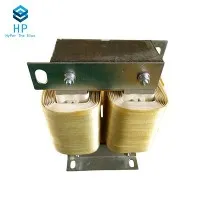

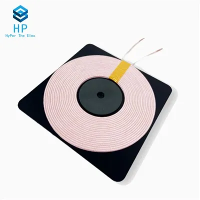

As a supplier of Resonant Coils, I've encountered numerous inquiries regarding the packaging requirements for these essential components. Resonant coils play a pivotal role in various electronic applications, from radio frequency circuits to wireless power transfer systems. Ensuring proper packaging is crucial to maintain their performance and integrity during storage, transportation, and handling. In this blog post, I'll delve into the key packaging requirements for resonant coils, offering insights and best practices based on my experience in the industry.
Protection Against Physical Damage
One of the primary functions of packaging for resonant coils is to protect them from physical damage. These coils are often delicate and can be easily deformed or damaged if not handled with care. The packaging material should be sturdy enough to withstand external forces and prevent any impact or compression that could alter the coil's shape or electrical properties.
For small resonant coils, a rigid plastic or foam casing can provide adequate protection. These materials are lightweight, yet durable enough to absorb shocks and vibrations during transit. The casing should be designed to fit the coil snugly, preventing it from moving around inside the package and reducing the risk of damage.
For larger or more complex resonant coils, custom-made packaging solutions may be required. This could involve using a combination of materials, such as cardboard boxes lined with foam inserts or custom-molded plastic containers. The packaging should be designed to provide maximum protection while also being easy to handle and transport.
Protection Against Environmental Factors
In addition to physical damage, resonant coils are also susceptible to environmental factors such as moisture, dust, and temperature fluctuations. These factors can have a significant impact on the performance and lifespan of the coils, so it's essential to protect them from these elements.
Moisture is one of the most common environmental factors that can affect resonant coils. Exposure to moisture can cause corrosion and oxidation, which can lead to a decrease in the coil's performance and reliability. To protect against moisture, the packaging should be sealed tightly to prevent any water or humidity from entering. Desiccant packets can also be included in the package to absorb any moisture that may be present.
Dust and other particulate matter can also accumulate on the surface of the coil, affecting its electrical properties. To prevent this, the packaging should be designed to keep the coil clean and free from dust. This could involve using a dust-proof bag or container, or wrapping the coil in a protective film.
Temperature fluctuations can also have a significant impact on the performance of resonant coils. Extreme temperatures can cause the coil to expand or contract, which can lead to a change in its inductance and resistance. To protect against temperature fluctuations, the packaging should be designed to provide thermal insulation. This could involve using a foam or insulation material to surround the coil, or using a temperature-controlled shipping container.
ESD Protection
Electrostatic discharge (ESD) is another important consideration when packaging resonant coils. ESD can occur when two objects with different electrical charges come into contact, causing a sudden flow of electricity. This can damage the coil's delicate components and lead to a decrease in its performance and reliability.
To protect against ESD, the packaging should be designed to dissipate any static electricity that may be present. This could involve using an anti-static bag or container, or wrapping the coil in an anti-static film. The packaging should also be grounded to prevent any static charges from building up.
Labeling and Identification
Proper labeling and identification are essential for ensuring that the resonant coils are handled and installed correctly. The packaging should include clear and accurate labeling that provides information about the coil's specifications, such as its inductance, resistance, and operating frequency. This information will help the end-user to select the correct coil for their application and ensure that it is installed and used correctly.
In addition to the technical specifications, the packaging should also include information about the manufacturer, the date of manufacture, and any other relevant information. This will help to ensure that the coil can be traced back to its source in the event of a problem or defect.
Compatibility with Shipping and Handling
Finally, the packaging for resonant coils should be designed to be compatible with the shipping and handling requirements of the end-user. This could involve using a packaging solution that is lightweight and easy to handle, or using a shipping method that provides adequate protection and tracking.
The packaging should also be designed to comply with any relevant regulations and standards, such as those related to hazardous materials or transportation safety. This will help to ensure that the coil can be shipped and handled safely and legally.
Conclusion
In conclusion, proper packaging is essential for ensuring the performance and reliability of resonant coils. By protecting the coils from physical damage, environmental factors, ESD, and other hazards, the packaging helps to maintain their integrity and ensure that they function correctly. As a supplier of Resonant Coils, I understand the importance of providing high-quality packaging solutions that meet the specific needs of my customers. If you have any questions or concerns about the packaging requirements for resonant coils, please don't hesitate to contact me for a consultation. I'd be happy to help you find the right packaging solution for your application.

