


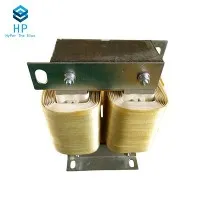

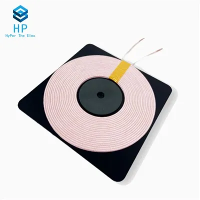

In the realm of power supply design, power density stands as a pivotal metric, gauging the amount of power a power supply can deliver per unit volume. As a PFC (Power Factor Correction) inductor supplier, I've witnessed firsthand the profound influence that PFC inductors wield over the power density of power supplies. In this blog post, I'll delve into the intricate relationship between PFC inductors and power supply power density, exploring the mechanisms through which PFC inductors impact power density and the strategies for optimizing this crucial aspect of power supply performance.
Understanding Power Density in Power Supplies
Before delving into the impact of PFC inductors, it's essential to grasp the concept of power density in power supplies. Power density is a measure of how efficiently a power supply can convert electrical energy while occupying a minimal physical space. A high-power density power supply can deliver a substantial amount of power in a compact form factor, making it ideal for applications where space is at a premium, such as portable electronics, data centers, and automotive systems.
Achieving high power density requires a holistic approach, encompassing various components and design techniques within the power supply. Key factors influencing power density include the efficiency of power conversion, the size and thermal management of components, and the overall layout and packaging of the power supply. Among these factors, the PFC inductor plays a crucial role in shaping the power density of the power supply.
The Role of PFC Inductors in Power Supplies
PFC inductors are fundamental components in power supplies, particularly in those designed to meet stringent power factor correction requirements. Power factor correction is the process of improving the efficiency of electrical power consumption by reducing the reactive power drawn from the electrical grid. A high power factor indicates that the power supply is using electrical energy more effectively, resulting in lower energy losses and reduced stress on the electrical infrastructure.
PFC inductors are typically employed in PFC circuits, which are integrated into power supplies to correct the power factor and ensure compliance with regulatory standards. These inductors store and release energy during the switching cycle of the PFC circuit, helping to shape the input current waveform and align it more closely with the input voltage waveform. By doing so, PFC inductors minimize the harmonic distortion of the input current, improve the power factor, and enhance the overall efficiency of the power supply.
Impact of PFC Inductors on Power Supply Power Density
The impact of PFC inductors on power supply power density is multifaceted, encompassing both electrical and physical aspects of the power supply design. Here are some key ways in which PFC inductors influence power density:
1. Size and Volume
One of the most direct ways in which PFC inductors affect power density is through their physical size and volume. The size of a PFC inductor is determined by several factors, including the inductance value, the current rating, the core material, and the winding configuration. Higher inductance values and current ratings generally require larger inductors, which can increase the overall size of the power supply and reduce its power density.
As a PFC inductor supplier, we understand the importance of minimizing the size of inductors without compromising their performance. By leveraging advanced core materials and innovative winding techniques, we can design and manufacture PFC inductors that offer high inductance values and current ratings in compact form factors. For example, our Toroidal Inductors feature a toroidal core design that provides excellent magnetic coupling and low electromagnetic interference (EMI), allowing for smaller and more efficient inductor designs.


2. Efficiency and Losses
The efficiency of a PFC inductor has a significant impact on the overall efficiency of the power supply, which in turn affects its power density. Inductor losses, including core losses and copper losses, can dissipate a significant amount of energy in the form of heat, reducing the efficiency of the power supply and increasing the thermal management requirements. Higher inductor losses also result in increased power consumption and reduced power density.
To minimize inductor losses and improve efficiency, we use high-quality core materials with low core loss characteristics and optimize the winding design to reduce copper losses. Our Filter Inductor products are designed to offer low losses and high efficiency, ensuring that power supplies can operate at maximum efficiency and achieve higher power density.
3. Thermal Management
Effective thermal management is crucial for maintaining the performance and reliability of power supplies, especially in high-power density applications. PFC inductors can generate a significant amount of heat during operation, which must be dissipated efficiently to prevent overheating and premature failure of the components. Poor thermal management can limit the power density of the power supply by requiring larger heat sinks or additional cooling mechanisms.
As a PFC inductor supplier, we pay close attention to the thermal performance of our products and design inductors with optimized thermal characteristics. Our inductors are designed to have low thermal resistance and high thermal conductivity, allowing for efficient heat dissipation and reducing the need for bulky heat sinks. Additionally, we offer custom thermal solutions, such as heat sinks and thermal pads, to help customers optimize the thermal management of their power supplies and achieve higher power density.
4. EMI and RFI Suppression
Electromagnetic interference (EMI) and radio frequency interference (RFI) can pose significant challenges in power supply design, especially in high-power density applications where components are packed closely together. PFC inductors can act as sources of EMI and RFI, radiating electromagnetic energy that can interfere with the operation of other components in the power supply and nearby electronic devices.
To mitigate EMI and RFI issues, we design our PFC inductors with built-in shielding and filtering capabilities. Our BUCK Inductor products feature advanced shielding materials and winding techniques that minimize electromagnetic radiation and ensure compliance with EMI and RFI standards. By reducing EMI and RFI, our inductors help to improve the overall reliability and performance of the power supply, allowing for higher power density designs.
Strategies for Optimizing PFC Inductor Design for Power Density
To maximize the power density of power supplies, it's essential to optimize the design of PFC inductors. Here are some strategies that we recommend for achieving this goal:
1. Select the Right Core Material
The choice of core material is critical in determining the performance and size of PFC inductors. Different core materials have different magnetic properties, such as permeability, saturation flux density, and core loss characteristics. By selecting the right core material for the specific application requirements, it's possible to achieve a balance between high inductance, low losses, and compact size.
For example, ferrite cores are commonly used in PFC inductors due to their high permeability, low core losses, and excellent frequency response. However, ferrite cores have a relatively low saturation flux density, which can limit their use in high-current applications. In such cases, powder cores, such as iron powder cores or sendust cores, may be a better choice due to their higher saturation flux density and lower core losses at high frequencies.
2. Optimize the Winding Design
The winding design of PFC inductors can also have a significant impact on their performance and size. By optimizing the number of turns, the wire gauge, and the winding configuration, it's possible to reduce copper losses, improve the magnetic coupling, and minimize the physical size of the inductor.
For example, using a multi-layer winding design can increase the number of turns without significantly increasing the physical size of the inductor. Additionally, using a litz wire, which consists of multiple insulated strands of wire twisted together, can reduce the skin effect and proximity effect losses at high frequencies, improving the efficiency of the inductor.
3. Consider the Operating Conditions
The operating conditions of the power supply, such as the input voltage, the output power, and the ambient temperature, can also influence the design of PFC inductors. By considering these factors during the design process, it's possible to optimize the inductor design for maximum performance and reliability under the specific operating conditions.
For example, in applications where the input voltage can vary widely, it's important to design the PFC inductor with a sufficient margin of safety to prevent saturation and ensure stable operation. Similarly, in high-temperature environments, it's necessary to select a core material with good thermal stability and use appropriate thermal management techniques to prevent overheating.
Conclusion
In conclusion, PFC inductors play a crucial role in shaping the power density of power supplies. By influencing factors such as size, efficiency, thermal management, and EMI suppression, PFC inductors can either enhance or limit the power density of power supplies. As a PFC inductor supplier, we are committed to providing our customers with high-quality inductors that are optimized for power density and performance.
If you're looking to improve the power density of your power supply, we invite you to contact us to discuss your specific requirements. Our team of experienced engineers can work with you to design and develop custom PFC inductors that meet your exact specifications and help you achieve your power density goals.
References
- Erickson, R. W., & Maksimovic, D. (2001). Fundamentals of power electronics. Springer Science & Business Media.
- Pressman, A. I., & Macromedia, F. (2009). Switching power supply design. McGraw-Hill.
- Mohan, N., Undeland, T. M., & Robbins, W. P. (2012). Power electronics: converters, applications, and design. John Wiley & Sons.