


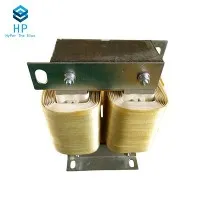



Hey there, everyone! I'm a supplier of Smoothing Reactors, and today I wanna chat about the safety precautions when operating these nifty devices.
First off, let's quickly understand what a Smoothing Reactor is. It's a key component in electrical systems, mainly used to smooth out the current and reduce ripple. You can find more detailed info about Smoothing Reactor on our website.
Pre - operation Checks
Before you even think about firing up a Smoothing Reactor, there are some crucial pre - operation checks you gotta do.
Visual Inspection
Take a good look at the reactor. Check for any obvious signs of damage, like cracks in the casing, loose connections, or frayed wires. A damaged reactor can be a real safety hazard. If you spot anything fishy, don't operate it. Instead, contact a professional for repair or replacement.
Installation Verification
Make sure the reactor is installed correctly. It should be mounted securely on a stable surface. Incorrect installation can lead to vibrations, which over time can cause internal damage and even pose a risk of the reactor falling. Also, ensure that all the electrical connections are tight. Loose connections can generate heat, potentially causing a fire.
Environmental Conditions
The environment where the reactor operates matters a lot. It should be in a well - ventilated area. High temperatures can reduce the efficiency of the reactor and even damage its components. Check the temperature and humidity of the surroundings. If it's too hot or humid, you might need to install additional cooling or dehumidifying equipment.
During Operation Safety Measures
Once you've completed the pre - operation checks and everything looks good, it's time to start the operation. But you still gotta be on your toes.
Monitoring
Keep an eye on the operating parameters of the reactor. Monitor things like current, voltage, and temperature. Most modern Smoothing Reactors come with built - in monitoring systems that can give you real - time data. If you notice any abnormal readings, such as a sudden spike in temperature or an unexpected change in current, shut down the reactor immediately.
Avoid Overloading
Don't push the reactor beyond its rated capacity. Overloading can cause excessive heat, which can damage the insulation and other components of the reactor. It's like asking a horse to carry a load that's way too heavy for it. You need to make sure that the electrical load connected to the reactor is within its specified limits.
Personal Protection
When working around the operating reactor, wear appropriate personal protective equipment (PPE). This includes safety gloves, safety glasses, and flame - resistant clothing. Electrical shocks and burns are real risks, so it's better to be safe than sorry.


Maintenance Safety
Regular maintenance is essential for the safe and efficient operation of a Smoothing Reactor.
Lockout/Tagout Procedures
Before you start any maintenance work, follow the lockout/tagout procedures. This means shutting off the power supply to the reactor and locking and tagging the switches to prevent accidental re - energization. This is a critical safety step that can prevent electrical shocks.
Cleaning
Keep the reactor clean. Dust and dirt can accumulate on the surface of the reactor, which can affect its heat dissipation. Use a soft brush or compressed air to clean the reactor. But be careful not to damage any of the components while cleaning.
Component Replacement
If you need to replace any components of the reactor, make sure you use the right parts. Using incompatible parts can not only affect the performance of the reactor but also pose a safety risk. Always refer to the manufacturer's guidelines when replacing components.
Comparison with Other Reactors
It's also interesting to compare Smoothing Reactors with other types of reactors, like Current Limiting Reactor and Power Factor Compensation Reactor.
Current Limiting Reactors are mainly used to limit the short - circuit current in an electrical system. They work in a different way compared to Smoothing Reactors. While Smoothing Reactors focus on reducing current ripple, Current Limiting Reactors are all about protecting the system from excessive current during a fault.
Power Factor Compensation Reactors are used to improve the power factor of an electrical system. They help in reducing the reactive power and improving the overall efficiency of the system. In contrast, Smoothing Reactors have a more specific function of current smoothing.
Conclusion
Operating a Smoothing Reactor safely requires careful pre - operation checks, vigilant monitoring during operation, and proper maintenance. By following these safety precautions, you can ensure the long - term performance and safety of the reactor.
If you're in the market for a high - quality Smoothing Reactor or have any questions about their operation and safety, don't hesitate to reach out. We're here to help you make the right choice for your electrical system.
References
- Electrical Safety Standards Handbook
- Manufacturer's Manuals for Smoothing Reactors