


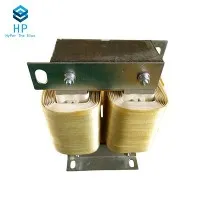

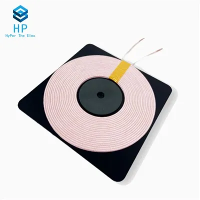

Yo, what's up everyone! I'm a supplier of Oscillating Coils, and today I wanna chat about something super important: the cost of an oscillating coil.
First off, let's get into what an oscillating coil actually is. An oscillating coil is a key component in many electronic circuits. It's used to create oscillations, and it plays a big part in things like radio frequency (RF) circuits, where it helps in tuning and filtering signals. You can check out more details about it on this Oscillating Coil link.
Now, when it comes to the cost of an oscillating coil, there are a bunch of factors that come into play. One of the main factors is the materials used. The type of wire, the core material, and the insulation all affect the price. For example, if you use high - quality copper wire, it's gonna cost more than a lower - grade alternative. Copper is a great conductor, and the purity of the copper can also make a difference. A higher - purity copper wire will have less resistance, which is crucial for the performance of the oscillating coil. But this quality comes at a price.
The core material is another biggie. There are different types of cores, like air cores, ferrite cores, and iron cores. Air cores are relatively simple and inexpensive. They're good for applications where you don't need a high inductance value. On the other hand, ferrite cores are more expensive but offer better magnetic properties. They can increase the inductance of the coil and are often used in high - frequency applications. Iron cores, while having their own advantages, are also more costly due to their magnetic characteristics and the processing required.
The manufacturing process is also a significant cost factor. Making an oscillating coil involves winding the wire around the core. The precision of the winding matters a lot. If you need a coil with a very specific number of turns and a tight tolerance, the manufacturing process becomes more complex. Automated winding machines can be used to increase the efficiency, but they also come with a high initial investment. And if the coil requires additional processes like encapsulation for protection, that's gonna add to the cost as well.
Another aspect that affects the cost is the size and the specifications of the oscillating coil. A larger coil with a higher inductance value will generally cost more. This is because it needs more wire and a larger core. Also, if the coil has to meet certain industry standards or specific customer requirements, like operating in a high - temperature environment or having a low electromagnetic interference (EMI), the cost will go up. Special testing and quality control measures are needed to ensure that these specifications are met.
Let's compare the cost of an oscillating coil with other types of coils. For instance, the Choke Coil. A choke coil is mainly used to block high - frequency AC signals while allowing DC signals to pass through. In general, choke coils can be less expensive than oscillating coils, especially if they're for simple applications. The design and requirements of choke coils are often less complex compared to oscillating coils.
Then there's the Trap Coil. Trap coils are used to filter out specific frequencies. Their cost can vary depending on the frequency range they're designed for. If they need to have a very narrow bandwidth and high selectivity, they can be quite expensive. But compared to oscillating coils, the cost might be different based on the specific application and the materials used.


Now, as a supplier, I understand that cost is a major concern for my customers. That's why I work hard to offer competitive prices. I source the materials from reliable suppliers at the best possible rates. I also optimize my manufacturing processes to reduce waste and increase efficiency. This way, I can keep the cost of my oscillating coils down without sacrificing quality.
When you're looking at the cost of an oscillating coil, it's important to consider the long - term value. A high - quality coil might cost more upfront, but it can save you money in the long run. It'll have a longer lifespan, less chance of failure, and better performance. This means fewer replacements and less downtime for your electronic devices.
If you're in the market for oscillating coils, don't just go for the cheapest option. Look at the quality, the specifications, and the reputation of the supplier. I've been in the business for a while, and I know what it takes to make a great oscillating coil. Whether you need a small - scale order for a prototype or a large - scale production run, I can help.
So, if you're interested in discussing your oscillating coil needs, feel free to reach out. We can have a chat about your specific requirements, and I can give you a quote based on that. I'm always happy to work with customers to find the best solution for their projects.
In conclusion, the cost of an oscillating coil is influenced by many factors, including materials, manufacturing processes, size, and specifications. As a supplier, I'm committed to providing high - quality coils at a reasonable price. If you have any questions or want to start a procurement discussion, don't hesitate. Let's work together to get you the right oscillating coils for your needs.
References
- General knowledge of electronic components and coil manufacturing processes.