




What is the function of a trap coil in a sensor? Well, let me break it down for you. I'm part of a trap coil supplier crew, so I've got a pretty good handle on this stuff.
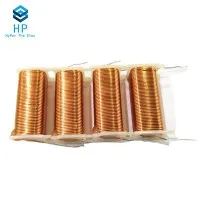
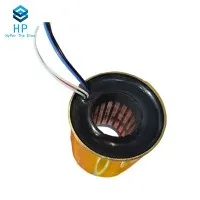
First off, let's talk a bit about what a trap coil actually is. A trap coil is a type of inductor, which is basically a passive electrical component. It's made up of a wire wound into a coil shape. The way it's designed gives it some unique electrical properties.
Now, in the context of a sensor, the trap coil serves several key functions. One of the main functions is to filter out unwanted frequencies. Sensors often operate in environments where there are all sorts of electrical signals floating around. Some of these signals can interfere with the proper operation of the sensor. The trap coil acts like a gatekeeper. It allows the frequencies that the sensor needs to function properly to pass through while blocking or attenuating the unwanted frequencies.
For example, let's say you've got a sensor that's designed to detect a specific range of electromagnetic signals. There might be other sources in the area emitting signals at different frequencies. Without a trap coil, these extraneous signals could get picked up by the sensor and cause false readings or inaccurate measurements. But the trap coil helps to clean up the signal by getting rid of those unwanted frequencies.
Another important function of the trap coil is impedance matching. In electrical circuits, impedance matching is crucial for efficient power transfer. When a sensor is connected to other components in a system, such as a signal amplifier or a data acquisition unit, if the impedance of the different components doesn't match, a significant amount of power can be lost. The trap coil can be used to adjust the impedance of the sensor so that it matches the impedance of the connected components. This ensures that the maximum amount of power is transferred from the sensor to the rest of the system, which in turn improves the overall performance of the sensor.
Trap coils can also play a role in resonance. In some sensors, resonance can be used to enhance the sensitivity of the device. A trap coil can be tuned to resonate at a specific frequency. When the sensor is exposed to an external signal at that frequency, the resonance phenomenon can amplify the signal within the coil. This amplified signal can then be more easily detected by the sensor, allowing for more precise measurements.
In comparison to other types of coils, trap coils have their own unique advantages. For example, an Antenna Coil is mainly used for receiving and transmitting electromagnetic signals. While it may also have some filtering capabilities, its primary function is different from that of a trap coil. An antenna coil is more focused on the transfer of signals to and from the surrounding environment, whereas a trap coil is more about refining the signals that are already within the sensor system.
A Choke Coil is often used to block high - frequency AC signals while allowing DC or low - frequency signals to pass. It's used in a lot of power supply circuits to prevent high - frequency noise from getting into the DC power line. Although both the trap coil and the choke coil deal with filtering frequencies, the trap coil is more specific in its application for sensor systems, often tailored to the particular frequency requirements of the sensor.
An Oscillating Coil is part of an oscillator circuit, which generates periodic electrical signals. The operation of an oscillating coil is centered around creating a stable oscillating signal. On the other hand, a trap coil in a sensor is mainly concerned with signal purification and impedance matching rather than signal generation.
At our company, we've been in the trap coil supply business for quite some time. We understand that different sensors have different requirements. That's why we offer a wide range of trap coils with various specifications. Whether you need a trap coil with a specific inductance value, a certain number of windings, or a particular shape, we can customize it for you.


Our trap coils are made using high - quality materials and advanced manufacturing processes. This ensures that they are reliable and perform well in different sensor applications. We've worked with numerous clients in different industries, such as the automotive, aerospace, and industrial automation sectors. They've all been satisfied with the performance of our trap coils in their sensor systems.
If you're in the market for trap coils for your sensors, we'd love to have a chat with you. We can help you select the right trap coil for your specific needs and provide you with all the technical support you might require. Whether you're just starting a new sensor project or looking to upgrade an existing one, we've got the expertise and the products to meet your demands. Don't hesitate to reach out to us for a detailed discussion and procurement negotiation.
References
- Some basic electrical engineering textbooks on inductors and sensor design.
- Industry whitepapers on sensor signal processing and component selection.