




What is the pulse - handling capability of a filter inductor?
As a seasoned supplier of Filter Inductor, I've encountered numerous inquiries regarding the pulse - handling capability of filter inductors. This topic is not only crucial for electrical engineers and designers but also for those involved in the procurement of these components. In this blog, I'll delve into the concept of pulse - handling capability, its significance, and how it relates to the performance of filter inductors.
Understanding the Basics of Filter Inductors
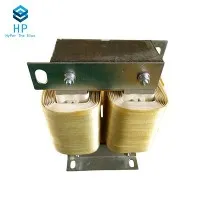
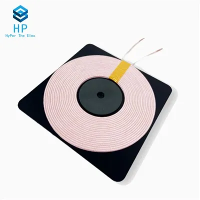
Before we dive into the pulse - handling capability, let's briefly review what a filter inductor is. A filter inductor is a passive electronic component that stores energy in a magnetic field when an electric current flows through it. It is commonly used in power supply circuits to filter out unwanted electrical noise and ripple, ensuring a smooth and stable output voltage. Filter inductors come in various types, such as Coil Inductor and BUCK Inductor, each designed for specific applications.
Defining Pulse - Handling Capability
The pulse - handling capability of a filter inductor refers to its ability to withstand short - duration, high - amplitude current pulses without experiencing significant degradation in performance or suffering damage. These current pulses can occur due to various reasons, such as switching events in power converters, sudden load changes, or electromagnetic interference (EMI).
When a current pulse passes through a filter inductor, the inductor's magnetic field rapidly changes, inducing a back - electromotive force (EMF) according to Faraday's law of electromagnetic induction. This back - EMF opposes the change in current, which can cause stress on the inductor's windings and core material. The pulse - handling capability is determined by several factors, including the inductor's physical design, the type of core material used, and the winding configuration.
Key Factors Affecting Pulse - Handling Capability
Core Material
The choice of core material has a significant impact on the pulse - handling capability of a filter inductor. Different core materials have different magnetic properties, such as permeability, saturation flux density, and coercivity. For example, ferrite cores are known for their high permeability and low core losses, making them suitable for high - frequency applications. However, they have a relatively low saturation flux density, which means they can saturate more easily under high - current pulses.
On the other hand, powdered iron cores have a higher saturation flux density compared to ferrite cores, allowing them to handle larger current pulses without saturating. They are often used in applications where high - power handling and pulse - withstanding capabilities are required.
Winding Configuration
The winding configuration of a filter inductor also plays a crucial role in its pulse - handling capability. The number of turns, wire gauge, and winding technique can affect the inductor's resistance, inductance, and self - resonant frequency. A well - designed winding can reduce the resistance and losses in the inductor, improving its efficiency and ability to handle current pulses.
For instance, using a larger wire gauge can reduce the resistance of the winding, allowing more current to flow through the inductor without overheating. Additionally, proper winding techniques, such as layer winding or interleaved winding, can help to minimize the parasitic capacitance and improve the inductor's high - frequency performance.
Physical Design
The physical size and shape of a filter inductor can also influence its pulse - handling capability. A larger inductor with a greater cross - sectional area of the core can typically handle larger current pulses compared to a smaller inductor. This is because a larger core provides more space for the magnetic field to expand, reducing the magnetic flux density and the risk of saturation.
Moreover, the inductor's packaging and heat dissipation design are important considerations. Effective heat dissipation can prevent the inductor from overheating during high - current pulses, ensuring its long - term reliability.
Importance of Pulse - Handling Capability
The pulse - handling capability of a filter inductor is of utmost importance in many applications. In power supply circuits, for example, current pulses can cause voltage spikes and ripple, which can affect the performance and reliability of the connected electronic devices. A filter inductor with a high pulse - handling capability can effectively suppress these voltage spikes and ensure a stable power supply.
In motor drive applications, sudden changes in the motor load can generate large current pulses. If the filter inductor in the drive circuit cannot handle these pulses, it may saturate, leading to increased current draw, reduced efficiency, and potential damage to the inductor and other components in the circuit.
In addition, in applications where electromagnetic compatibility (EMC) is a concern, a filter inductor with good pulse - handling capability can help to reduce EMI by filtering out high - frequency noise and transient pulses.


Testing and Specification of Pulse - Handling Capability
To ensure that a filter inductor meets the required pulse - handling capability, manufacturers typically perform various tests. One common test is the pulse current test, where a short - duration, high - amplitude current pulse is applied to the inductor, and the inductor's response is measured. The test results are used to determine the inductor's maximum allowable pulse current and the corresponding pulse duration.
When specifying a filter inductor for a particular application, it is important to consider the expected pulse characteristics, such as the pulse amplitude, duration, and repetition rate. The manufacturer's datasheet should provide information on the inductor's pulse - handling capability, including the maximum pulse current and the derating factors for different pulse durations and frequencies.
Our Offerings as a Filter Inductor Supplier
As a leading supplier of filter inductors, we understand the importance of pulse - handling capability in various applications. We offer a wide range of Filter Inductor products, including Coil Inductor and BUCK Inductor, with different core materials, winding configurations, and physical designs to meet the diverse needs of our customers.
Our engineering team has extensive experience in designing and manufacturing filter inductors with high pulse - handling capabilities. We use advanced simulation tools and testing equipment to ensure that our products can withstand the most demanding pulse conditions. Whether you are working on a high - power power supply, a motor drive system, or an EMC - sensitive application, we can provide you with the right filter inductor solution.
Contact Us for Procurement and Consultation
If you are in the market for filter inductors with excellent pulse - handling capabilities, we invite you to contact us for procurement and consultation. Our sales team is ready to assist you in selecting the most suitable products for your specific requirements. We can also provide technical support and guidance throughout the design and implementation process.
Don't hesitate to reach out to us if you have any questions or need further information. We look forward to the opportunity to work with you and contribute to the success of your projects.
References
- [1] "Power Electronics: Converters, Applications, and Design" by Ned Mohan, Tore M. Undeland, and William P. Robbins.
- [2] "Magnetic Components for Power Electronics: Theory, Design, and Applications" by Marian K. Kazimierczuk.
- [3] Manufacturer datasheets of various filter inductors.