


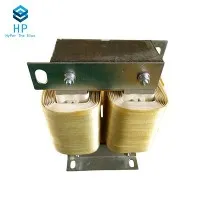


The core in a power transformer plays a pivotal role in its operation, influencing efficiency, performance, and overall functionality. As a leading power transformer supplier, we understand the significance of the core and its impact on the quality of our products. In this blog post, we will delve into the role of the core in a power transformer, exploring its functions, materials, and design considerations.
Functions of the Core
The primary function of the core in a power transformer is to provide a low - reluctance path for the magnetic flux. Magnetic flux is essential for the transfer of electrical energy between the primary and secondary windings of the transformer. When an alternating current (AC) flows through the primary winding, it creates a changing magnetic field. The core, made of a ferromagnetic material, concentrates this magnetic field and channels it through the secondary winding. This process, known as electromagnetic induction, allows the transformer to step up or step down the voltage as required.
Another crucial function of the core is to minimize energy losses. In an ideal transformer, all the magnetic flux generated in the primary winding would link with the secondary winding. However, in real - world applications, some of the magnetic flux leaks outside the core, resulting in leakage inductance and energy losses. The core helps to reduce these losses by confining the magnetic field within its structure, ensuring that most of the magnetic flux is effectively transferred between the windings.
Materials Used in Transformer Cores
The choice of core material significantly affects the performance of a power transformer. Different materials have different magnetic properties, such as permeability, coercivity, and hysteresis loss. The most commonly used materials for transformer cores are silicon steel and ferrite.
Silicon steel is a popular choice for power transformers due to its high magnetic permeability and low hysteresis loss. Hysteresis loss occurs when the magnetic domains in the core material are repeatedly reversed as the AC current changes direction. Silicon steel reduces this loss by having a narrow hysteresis loop, which means less energy is wasted in magnetizing and demagnetizing the core. Our Silicon Steel Sheet Transformer is designed with high - quality silicon steel cores to ensure efficient energy transfer and low power consumption.


Ferrite is another material used in transformer cores, especially in high - frequency applications. Ferrite has a high resistivity, which helps to reduce eddy current losses. Eddy currents are induced in the core material by the changing magnetic field, and they can cause significant energy losses in the form of heat. Ferrite's high resistivity restricts the flow of eddy currents, making it suitable for transformers operating at high frequencies.
Core Design Considerations
The design of the core also plays an important role in the performance of a power transformer. There are several factors that need to be considered during the core design process, including core shape, size, and stacking method.
The shape of the core can affect the distribution of the magnetic field and the efficiency of the transformer. Common core shapes include the E - core, C - core, and toroidal core. The E - core is the most widely used shape due to its simplicity and ease of manufacturing. It consists of a central limb and two outer limbs, with the windings placed around the central limb. The C - core is similar to the E - core but has a split in the middle, which allows for easier winding installation. The toroidal core, on the other hand, has a circular shape and provides a more uniform magnetic field distribution, resulting in lower leakage inductance and higher efficiency. Our R - type Transformer features a unique R - shaped core design, which offers excellent magnetic performance and low electromagnetic interference.
The size of the core is determined by the power rating and voltage requirements of the transformer. A larger core can handle more power and has lower losses, but it also increases the cost and physical size of the transformer. Therefore, a balance needs to be struck between the power handling capacity and the cost - effectiveness of the design.
The stacking method of the core laminations also affects the performance of the transformer. Laminations are thin sheets of core material that are stacked together to reduce eddy current losses. The laminations are usually insulated from each other to prevent the flow of eddy currents between them. The stacking direction and the way the laminations are assembled can impact the magnetic properties of the core and the overall efficiency of the transformer.
Encapsulated Transformers and the Role of the Core
Encapsulated transformers are designed to provide additional protection to the core and windings. The encapsulation process involves coating the transformer with a protective material, such as epoxy resin, to prevent moisture, dust, and other contaminants from entering the transformer. This not only extends the lifespan of the transformer but also improves its reliability and performance.
In an Encapsulated Transformer, the core still plays a vital role in the energy transfer process. The encapsulation material helps to dissipate the heat generated by the core and windings, ensuring that the transformer operates at a safe temperature. Additionally, the encapsulation can reduce the noise and vibration produced by the transformer, making it suitable for applications where quiet operation is required.
Conclusion
In conclusion, the core is an essential component of a power transformer, responsible for guiding the magnetic flux, minimizing energy losses, and ensuring efficient energy transfer. The choice of core material and design can significantly impact the performance, efficiency, and reliability of the transformer. As a power transformer supplier, we are committed to using high - quality core materials and advanced design techniques to produce transformers that meet the diverse needs of our customers.
If you are in the market for a power transformer and want to learn more about our products, or if you have specific requirements for your application, we invite you to contact us for a detailed discussion. Our team of experts is ready to assist you in selecting the right transformer for your needs and to provide you with the best solutions.
References
- Grover, F. W. (1946). Inductance calculations: Working formulas and tables. Dover Publications.
- Chapman, S. J. (2012). Electric machinery fundamentals. McGraw - Hill.
- Del Toro, V. (1998). Electric machines and power systems. Prentice Hall.