


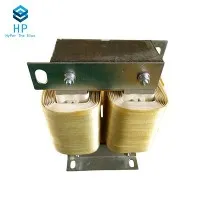



Hey there! I'm a supplier of power transformers, and today I wanna chat about the materials used for the tank of a power transformer. It's a topic that might not seem super exciting at first, but trust me, it's pretty crucial for the performance and longevity of these transformers.
First off, let's understand why the tank matters. The tank of a power transformer serves as a protective housing for the core and windings. It holds the insulating oil, which helps in cooling and insulating the internal components. So, the choice of materials for the tank is not something to be taken lightly.
One of the most commonly used materials for transformer tanks is steel. Steel is a popular choice because it's strong, durable, and can withstand high pressures. It's also relatively inexpensive compared to some other materials. The steel used for transformer tanks is usually of a high - quality grade, which is resistant to corrosion. This is important because the tank is often exposed to various environmental conditions, and corrosion can weaken the structure over time.
There are different types of steel that can be used. Carbon steel is a common option. It has good mechanical properties and can be easily fabricated into the desired shape of the tank. Stainless steel is another option, especially in cases where the transformer is going to be used in a harsh environment, like near the coast where there's a lot of salt in the air. Stainless steel has excellent corrosion resistance, which helps to ensure the long - term integrity of the tank.
Another material that can be used for transformer tanks is aluminum. Aluminum has some advantages over steel. It's lighter in weight, which can be beneficial when it comes to transportation and installation of the transformer. It also has good thermal conductivity, which can help in dissipating heat from the tank. However, aluminum is generally more expensive than steel, and it may not be as strong. So, it's often used in specific applications where weight is a major concern, such as in some mobile or portable transformers.
Now, let's talk about some of the factors that influence the choice of tank material. One important factor is the size of the transformer. Larger transformers usually require a stronger and more robust tank material, so steel is often the go - to choice. Smaller transformers, on the other hand, may be able to use aluminum or other lightweight materials.


The operating environment is also a key factor. If the transformer is going to be used in an area with a lot of moisture, chemicals, or high temperatures, the tank material needs to be able to withstand these conditions. For example, in a chemical plant, a stainless - steel tank might be a better choice than a carbon - steel one to prevent corrosion from the chemicals in the air.
The cost is always a consideration as well. As a supplier, I know that customers are always looking for a balance between quality and cost. Steel is generally more cost - effective, especially for large - scale production. But if the application requires the unique properties of aluminum or another material, the extra cost might be justified.
When it comes to different types of power transformers, the choice of tank material can also vary. For a Power Frequency Transformer, which is widely used in power distribution systems, steel tanks are very common due to their strength and durability. These transformers often need to operate for long periods of time under high - load conditions, so a strong tank is essential.
A Power Electronic Transformer is a more advanced type of transformer that is used in applications like renewable energy systems and electric vehicle charging stations. Depending on the specific requirements of the application, either steel or aluminum tanks might be used. If the transformer needs to be lightweight and portable, aluminum could be a good option.
An Encapsulated Transformer is designed to be sealed and protected from the environment. The tank material for these transformers needs to provide a good seal and protection. Sometimes, special polymers or composite materials can be used in addition to traditional metals to achieve the desired level of encapsulation.
In addition to the main structural material, there are also other components and coatings used in the tank. For example, the inside of the tank is often coated with a special paint or lining to prevent the insulating oil from reacting with the tank material. This helps to maintain the quality of the oil and the overall performance of the transformer.
Seals and gaskets are also important. They are used to prevent the leakage of the insulating oil from the tank. These seals are usually made of rubber or other elastomeric materials that can withstand the temperature and chemical environment inside the tank.
To sum it up, the choice of materials for the tank of a power transformer depends on a variety of factors, including size, operating environment, cost, and the specific type of transformer. As a supplier, I work closely with my customers to understand their needs and recommend the most suitable tank material for their power transformers.
If you're in the market for power transformers and want to discuss the best tank materials for your specific application, I'd love to have a chat. Whether you need a large - scale power frequency transformer for a power grid or a small encapsulated transformer for a specialized device, I can provide you with the right solutions. Just reach out, and we can start the conversation about your power - transformer needs.
References
- "Transformer Engineering: Design, Technology, and Diagnostics" by J. L. Kirtley Jr.
- "Power System Analysis and Design" by J. Duncan Glover, Mulukutla S. Sarma, and Thomas J. Overbye.