




As a seasoned supplier of AC solenoid coils, I've witnessed firsthand the transformative impact these components can have on power generation systems. In this blog, we'll explore the multifaceted roles that an AC solenoid coil plays in a power generation context, drawing from both theoretical understandings and real-world applications.
The Basics of AC Solenoid Coils
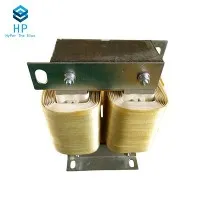
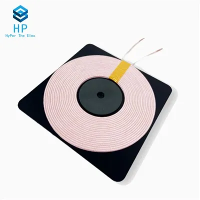
Before delving into their role in power generation, let's briefly review what AC solenoid coils are. An AC solenoid coil is an electromagnetic device that converts electrical energy into mechanical motion when an alternating current (AC) passes through it. The basic structure consists of a tightly wound coil of wire, typically made of copper, around a core. When the AC current flows through the coil, it creates an alternating magnetic field, which in turn can interact with other magnetic or conductive materials to produce a physical force.
Maintaining Power System Stability
One of the primary roles of an AC solenoid coil in a power generation system is to contribute to system stability. In a large power grid, the generation, transmission, and distribution of electricity need to be carefully balanced to prevent blackouts and other disruptions. AC solenoid coils are often used in control systems that regulate the flow of electrical power.
For example, in a hydroelectric power plant, the water flow through the turbines needs to be precisely controlled to maintain a constant output of electricity. AC solenoid coils can be used to operate valves that regulate the water flow. By adjusting the position of the valve, the power output can be fine - tuned according to the demand on the grid. This helps to ensure that the power generation system remains stable and can respond to changes in load quickly.
Switching and Protection
AC solenoid coils are also crucial for switching and protection functions in power generation systems. In high - voltage power transmission, circuit breakers are essential for protecting the system from faults such as short - circuits. AC solenoid coils are used to actuate these circuit breakers.
When a fault is detected in the power system, a control signal is sent to the solenoid coil. The magnetic field generated by the coil then causes a mechanical movement that opens or closes the circuit breaker contacts. This rapid switching action protects the power generation, transmission, and distribution components from damage due to excessive current.
In addition, solenoid - operated switches are used in various parts of the power generation system to connect or disconnect different electrical circuits. For instance, in a thermal power plant, solenoid - controlled switches can be used to start or stop the flow of fuel to the boilers, based on the power demand and system conditions.
Monitoring and Control
Modern power generation systems rely heavily on automated monitoring and control systems. AC solenoid coils play an important part in these systems by providing a means of translating electrical signals into mechanical actions.
Many sensors used in power generation systems are based on the principle of electromagnetic induction. These sensors can detect various parameters such as current, voltage, and temperature. The signals from these sensors are then processed by a control unit, which may send a signal to an AC solenoid coil to perform a specific action.
For example, if the temperature of a generator's winding exceeds a safe limit, the control system can send a signal to a solenoid - operated cooling valve. The AC solenoid coil in the valve will then open the valve, allowing more coolant to flow through the generator and bring the temperature back to a normal level.
Types of AC Solenoid Coils in Power Generation
There are several types of AC solenoid coils that are commonly used in power generation systems. Each type has its own unique characteristics and applications.


- Solenoid Valve Coil: These coils are specifically designed to operate valves in power generation systems. They are used in applications such as regulating the flow of water, steam, or fuel. Solenoid valve coils are available in different sizes and power ratings to suit various requirements.
- Encapsulated Coil: Encapsulated coils are protected by a sealed enclosure, which makes them suitable for use in harsh environments. In power generation plants, where there may be high levels of moisture, dust, or chemicals, encapsulated coils are often used to ensure reliable operation.
- Hollow Coil: Hollow coils are used in applications where a lightweight and compact design is required. They can be used in some types of sensors or control devices in power generation systems.
Our Expertise as an AC Solenoid Coil Supplier
As a leading supplier of AC solenoid coils, we understand the critical role these components play in power generation systems. We have a team of experienced engineers who can design and manufacture custom - made solenoid coils to meet the specific needs of our customers.
Our manufacturing processes are highly precise and quality - controlled. We use the latest technology and high - quality materials to ensure that our coils have excellent performance, reliability, and durability. Whether it's a small - scale power generation project or a large - scale industrial power plant, we can provide the right AC solenoid coils to meet the requirements.
Contact Us for Your AC Solenoid Coil Needs
If you're involved in power generation and are looking for high - quality AC solenoid coils, we'd love to hear from you. Our team of experts is ready to assist you with any questions you may have and to work with you to find the perfect solutions for your power generation system. Contact us today to start the conversation about your procurement needs and let's explore how our AC solenoid coils can enhance the performance and reliability of your power generation setup.
References
- "Power System Engineering" by John J. Grainger, William D. Stevenson Jr.
- "Electromagnetic Devices" by Clayton R. Paul