



Hey there! I'm a supplier of Flat Wave Reactors, and today I want to dig into an interesting question: Can a Flat Wave Reactor be used for catalytic cracking?
First off, let's briefly go over what catalytic cracking is. Catalytic cracking is a crucial process in the petroleum industry. It's all about breaking down large hydrocarbon molecules into smaller, more valuable ones. This is done with the help of a catalyst, which speeds up the chemical reaction. The end - products are things like gasoline, diesel, and other useful fuels.


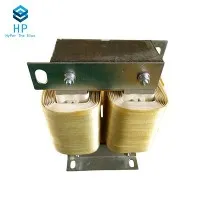
Now, let's talk about Flat Wave Reactors. A Flat Wave Reactor is a type of current - limiting reactor. It's designed to smooth out electrical current, reducing peaks and valleys in the flow. It has a flat - shaped design that gives it certain advantages in electrical systems, like better heat dissipation and more stable performance.
But can it be used in catalytic cracking? Well, at first glance, it might seem like a bit of a stretch. Catalytic cracking is a chemical process, while Flat Wave Reactors are mainly used in electrical systems. However, there are some potential connections that we can explore.
One of the key aspects of catalytic cracking is the control of reaction conditions. Temperature, pressure, and the flow of reactants need to be carefully regulated. Electrical systems are often involved in controlling these parameters. For example, heaters powered by electricity are used to maintain the right temperature in the cracking unit. This is where a Flat Wave Reactor could potentially come into play.
By providing a more stable electrical current, a Flat Wave Reactor can ensure that the electrical equipment used in the catalytic cracking process operates more efficiently. Unstable electrical currents can cause fluctuations in the operation of heaters, pumps, and other control systems. These fluctuations can lead to inconsistent reaction conditions, which in turn can affect the quality and yield of the cracked products.
Let's take a look at some other types of reactors for comparison. There's the Balancing Reactor, which is used to balance electrical loads in a system. It helps in distributing the electrical current evenly among different parts of the circuit. Then there's the Smoothing Reactor, which, as the name suggests, smooths out the electrical current. Both of these reactors are similar to the Flat Wave Reactor in that they deal with electrical current control, but they have different applications and designs.
In a catalytic cracking plant, the electrical infrastructure is complex. There are multiple components working together, and any disruption in the electrical supply can have a big impact. A Flat Wave Reactor can act as a safeguard, ensuring that the electrical systems run smoothly. This is especially important in large - scale catalytic cracking operations, where even small variations in reaction conditions can lead to significant losses in production.
Another factor to consider is the durability and reliability of the Flat Wave Reactor. In a catalytic cracking environment, the equipment needs to be able to withstand harsh conditions. The Flat Wave Reactor's design, with its good heat dissipation properties, makes it more resistant to overheating. This is crucial because overheating can not only damage the reactor itself but also cause problems in the entire electrical system.
Now, let's talk about the potential challenges. One of the main challenges is the integration of the Flat Wave Reactor into the existing catalytic cracking infrastructure. Most catalytic cracking plants are designed with a specific electrical setup in mind. Adding a new component like a Flat Wave Reactor might require some modifications to the electrical system. This can be time - consuming and costly.
There's also the issue of compatibility. The Flat Wave Reactor needs to be compatible with the other electrical components in the system, such as transformers, circuit breakers, and control panels. Ensuring this compatibility might involve some testing and adjustments.
However, despite these challenges, the benefits of using a Flat Wave Reactor in catalytic cracking could be significant. By improving the stability of the electrical system, it can lead to more consistent reaction conditions, higher product quality, and potentially increased production efficiency.
In conclusion, while the use of a Flat Wave Reactor in catalytic cracking is not a common practice at the moment, there are definitely some valid reasons to explore this possibility. The potential to improve the electrical infrastructure and, in turn, the catalytic cracking process is quite promising.
If you're in the petroleum industry and are interested in learning more about how a Flat Wave Reactor could benefit your catalytic cracking operations, I'd love to have a chat. Whether you're looking to upgrade your existing system or are planning a new catalytic cracking plant, we can discuss how our Flat Wave Reactors can fit into your setup. Reach out to us to start a conversation about potential procurement and how we can work together to optimize your processes.
References
- General knowledge of catalytic cracking processes in the petroleum industry.
- Technical specifications and applications of Flat Wave Reactors, Balancing Reactors, and Smoothing Reactors.