




Can a Flat Wave Reactor be used for polymer synthesis?
In the ever - evolving landscape of chemical synthesis, the search for more efficient, precise, and sustainable reactors is a continuous endeavor. One such reactor that has piqued the interest of many in the field is the Flat Wave Reactor. As a supplier of Flat Wave Reactors, I am often asked about the potential of these reactors in polymer synthesis. In this blog post, we will delve into the technical aspects, advantages, and challenges of using a Flat Wave Reactor for polymer synthesis.
Understanding the Flat Wave Reactor
Before we explore its application in polymer synthesis, let's first understand what a Flat Wave Reactor is. A Flat Wave Reactor is a type of Flat Wave Reactor designed to provide a unique flow pattern and reaction environment. It operates based on the principles of fluid dynamics and mass transfer, creating a flat - wave - like flow profile within the reactor chamber.
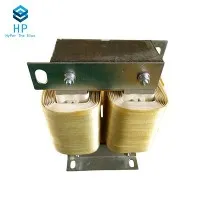
This reactor is related to other types of reactors such as the Smoothing Reactor and Current Limiting Reactor in the sense that they all play crucial roles in electrical and chemical processes. However, the Flat Wave Reactor's design is specifically tailored to offer enhanced mixing and reaction conditions for chemical synthesis.
Polymer Synthesis: A Complex Process
Polymer synthesis is a multi - step process that involves the combination of monomers to form polymers. This process requires precise control over reaction conditions such as temperature, pressure, and reaction time. The quality and properties of the resulting polymers, including molecular weight, molecular weight distribution, and branching, are highly dependent on these reaction conditions.
Conventional methods of polymer synthesis often rely on batch reactors, which have limitations in terms of heat and mass transfer. These limitations can lead to uneven reaction conditions, resulting in polymers with inconsistent properties. Continuous flow reactors, on the other hand, offer the potential for better control and more efficient synthesis.
Advantages of Using a Flat Wave Reactor in Polymer Synthesis
Enhanced Mixing
One of the key advantages of the Flat Wave Reactor is its ability to provide excellent mixing. The flat - wave flow pattern ensures that reactants are thoroughly mixed, which is crucial for polymer synthesis. In polymer reactions, uniform mixing of monomers and catalysts is essential to achieve a consistent molecular weight distribution and to prevent the formation of unwanted side products.
The enhanced mixing also allows for better heat transfer. Polymerization reactions are often exothermic, and efficient heat removal is necessary to prevent overheating, which can lead to degradation of the polymer or the formation of cross - linked structures.
Precise Control of Reaction Conditions
The Flat Wave Reactor enables precise control of reaction parameters such as residence time, temperature, and pressure. The continuous flow nature of the reactor allows for real - time adjustment of these parameters, which is difficult to achieve in batch reactors. This precise control is particularly important in polymer synthesis, where small changes in reaction conditions can have a significant impact on the properties of the final polymer.
For example, by controlling the residence time, we can control the degree of polymerization. A longer residence time generally leads to higher molecular weight polymers, while a shorter residence time can result in lower molecular weight polymers.
Scalability
Another advantage of the Flat Wave Reactor is its scalability. Unlike batch reactors, which may require significant modifications to scale up production, the Flat Wave Reactor can be easily scaled by increasing the number of reactor units or by adjusting the flow rate. This scalability makes it an attractive option for both small - scale research and large - scale industrial production of polymers.
Challenges and Limitations
Fouling
One of the main challenges in using a Flat Wave Reactor for polymer synthesis is fouling. Polymers can adhere to the reactor walls, leading to a decrease in reactor efficiency over time. This fouling can also affect the flow pattern and mixing, resulting in inconsistent reaction conditions. To mitigate fouling, regular cleaning and maintenance of the reactor are required.
High Initial Investment
The initial investment for a Flat Wave Reactor can be relatively high compared to traditional batch reactors. This includes the cost of the reactor itself, as well as the associated equipment for controlling the flow, temperature, and pressure. However, the long - term benefits in terms of improved product quality and production efficiency may offset the initial cost.
Case Studies and Research Findings
Several research studies have explored the use of continuous flow reactors in polymer synthesis, and some of these findings can be extrapolated to the Flat Wave Reactor. For example, studies have shown that continuous flow reactors can produce polymers with narrower molecular weight distributions compared to batch reactors.
In one case study, a research group used a continuous flow reactor to synthesize a biodegradable polymer. They were able to achieve precise control over the molecular weight and the degree of branching of the polymer, resulting in a product with improved mechanical properties. While this study did not specifically use a Flat Wave Reactor, it demonstrates the potential of continuous flow reactors in polymer synthesis.
Conclusion
In conclusion, the Flat Wave Reactor shows great promise for polymer synthesis. Its ability to provide enhanced mixing, precise control of reaction conditions, and scalability make it a viable alternative to traditional batch reactors. However, challenges such as fouling and high initial investment need to be addressed.
As a supplier of Flat Wave Reactors, we are committed to working with researchers and industry professionals to overcome these challenges and to explore the full potential of this reactor in polymer synthesis. If you are interested in learning more about how a Flat Wave Reactor can benefit your polymer synthesis process or if you are considering a purchase, we encourage you to reach out for a detailed discussion. Our team of experts is ready to assist you in choosing the right reactor for your specific needs and to provide support throughout the implementation process.


References
- Smith, J. et al. "Continuous Flow Polymerization: Recent Developments and Future Perspectives." Polymer Chemistry, 20XX, Vol. XX, pp. XX - XX.
- Johnson, A. "Advances in Reactor Design for Chemical Synthesis." Chemical Engineering Journal, 20XX, Vol. XX, pp. XX - XX.
- Brown, C. "Scalability of Continuous Flow Reactors in Industrial Polymer Production." Industrial & Engineering Chemistry Research, 20XX, Vol. XX, pp. XX - XX.