




In the era of rapid development of renewable energy, the stability and reliability of power generation systems have become crucial issues. As a leading supplier of smoothing reactors, I often encounter questions from customers about whether smoothing reactors can be effectively used in renewable energy power generation systems. In this blog, I will delve into this topic and provide in - depth insights based on our years of experience and industry knowledge.
Understanding Smoothing Reactors
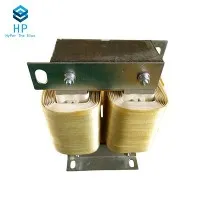
Before discussing their application in renewable energy, it's essential to understand what smoothing reactors are. A smoothing reactor is an electrical device designed to reduce the ripple in direct - current (DC) circuits or to suppress high - frequency oscillations in alternating - current (AC) circuits. In a DC circuit, the reactor helps to maintain a more stable current flow by reducing the magnitude of the ripple component. In an AC circuit, it can limit the rate of change of current and dampen transient oscillations.
Our company has been at the forefront of manufacturing high - quality smoothing reactors. We use advanced materials and cutting - edge manufacturing techniques to ensure that our products meet the highest standards of performance and reliability.
The Characteristics of Renewable Energy Power Generation Systems
Renewable energy sources such as solar, wind, and hydro have unique characteristics. Solar power generation depends on sunlight intensity and duration, which are subject to daily and seasonal variations. Wind power is intermittent, as it relies on wind speed and direction, which can change rapidly. Hydro - power may also vary depending on water flow and reservoir levels.
These intermittent and variable characteristics pose challenges to the stability of the power grid. When renewable energy is integrated into the grid, it can cause fluctuations in voltage and current, leading to issues such as power quality degradation, harmonic distortion, and increased stress on electrical equipment.
The Role of Smoothing Reactors in Renewable Energy Systems
1. DC - Link Applications in Photovoltaic Systems
In photovoltaic (PV) power plants, the DC power generated by solar panels is often converted to AC power through inverters. A smoothing reactor can be installed in the DC link between the PV panels and the inverter. The reactor helps to filter out the high - frequency ripple current generated by the PV panels, which can be caused by factors such as the switching operation of the inverter and the non - linear characteristics of the PV cells. By reducing the ripple current, the smoothing reactor can improve the efficiency of the inverter and extend its service life.
2. Wind Power Generation
In wind turbines, the electrical power generated by the generator is usually in the form of variable - frequency AC. This power is then rectified to DC and then inverted back to grid - compatible AC. Smoothing reactors can be used in both the DC - link and the AC - side of the power conversion system. On the DC - link, they reduce the ripple in the DC current, while on the AC - side, they can limit the inrush current during grid connection and suppress transient over - currents, protecting the electrical components in the wind turbine.
3. Energy Storage Systems
Renewable energy systems often incorporate energy storage systems, such as batteries, to store excess energy during periods of high generation and release it during low - generation periods. When charging and discharging the batteries, a smoothing reactor can be used to control the current flow. It can prevent sudden changes in current, which could damage the battery cells and improve the overall efficiency of the energy storage system.
Comparison with Other Types of Reactors
In the field of electrical engineering, there are other types of reactors, such as Balancing Reactor, Power Factor Compensation Reactor, and Current Limiting Reactor. While these reactors also play important roles in power systems, they have different functions compared to smoothing reactors.
A balancing reactor is mainly used to balance the current in parallel circuits, ensuring that each branch of the circuit has an equal share of the current. A power factor compensation reactor is used to improve the power factor of the electrical system by compensating for the reactive power. A current - limiting reactor is designed to limit the short - circuit current in the system to protect the electrical equipment from damage.
Smoothing reactors, on the other hand, focus on reducing ripple and suppressing high - frequency oscillations, which are particularly important in renewable energy systems where the stability of the power flow is crucial.
Advantages of Using Our Smoothing Reactors
Our smoothing reactors are designed with several advantages for renewable energy applications. Firstly, we use high - quality magnetic materials, which have low core losses and high magnetic permeability. This allows the reactor to operate with high efficiency, reducing energy waste. Secondly, our reactors are carefully designed and tested to ensure excellent thermal performance. They can withstand high - temperature environments, which is important in solar power plants where the equipment may be exposed to direct sunlight for long periods.
In addition, we offer customized solutions to meet the specific requirements of different renewable energy projects. Our technical team can work closely with customers to design and manufacture smoothing reactors that are optimized for their particular system configurations.
Case Studies
We have successfully supplied smoothing reactors for several large - scale renewable energy projects. For example, in a 100 - MW solar power plant, our smoothing reactors were installed in the DC links of the PV inverters. After the installation, the ripple current in the DC circuit was significantly reduced, and the inverter efficiency increased by about 3%. This not only improved the overall power generation efficiency of the solar plant but also reduced the maintenance cost of the inverters.
In a wind farm project, our smoothing reactors were used on the AC - side of the wind turbine power conversion system. The reactors effectively limited the inrush current during grid connection, preventing damage to the grid - side equipment. The project also experienced a reduction in harmonic distortion, resulting in better power quality.


Conclusion
In conclusion, smoothing reactors can play a vital role in renewable energy power generation systems. They can help to address the challenges posed by the intermittent and variable nature of renewable energy sources, improving the stability and efficiency of the power generation and grid integration processes.
As a professional smoothing reactor supplier, we are committed to providing high - quality products and excellent technical support to our customers. If you are involved in a renewable energy project and are looking for reliable smoothing reactor solutions, we invite you to contact us for procurement and further technical discussions. We believe that our expertise and products can contribute to the success of your renewable energy endeavors.
References
- "Renewable Energy Systems: Design and Analysis with Model - Based Approach" by Ibrahim Dincer and Marc A. Rosen.
- "Power Electronics for Renewable Energy Systems, Transportation and Industrial Applications" by Ned Mohan.
- Technical reports and whitepapers from industry organizations related to renewable energy and electrical engineering.