




Hey there! As a smoothing reactor supplier, I've had my fair share of discussions about how these nifty devices impact reactive power in a power grid. So, I thought I'd sit down and share some insights with you all.
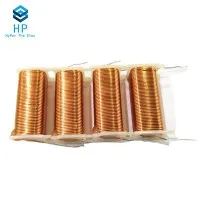
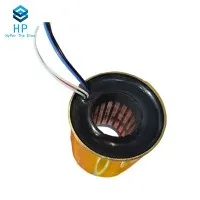
First off, let's quickly go over what a smoothing reactor is. It's a type of inductor, basically a coil of wire, that's used in power systems. Its main job is to smooth out the current and reduce the ripple in direct - current (DC) circuits, especially in high - voltage direct - current (HVDC) transmission systems. But it also has a significant influence on reactive power, which is super important in maintaining the stability and efficiency of the power grid.
Reactive power is kind of like the behind - the - scenes worker in a power grid. It doesn't do the actual work of powering devices like real power does, but it's crucial for the proper functioning of the grid. Without the right amount of reactive power, things like voltage regulation become a real headache. Power factor, which is the ratio of real power to apparent power, is also affected by reactive power. A low power factor means that the grid has to handle more current than necessary, leading to increased losses and reduced efficiency.
Now, how does a smoothing reactor fit into all this? Well, one of the key ways is through its impedance characteristics. A smoothing reactor has inductive impedance, which means it creates a phase shift between the voltage and current in the circuit. When an AC or DC current passes through the reactor, the inductive reactance causes the current to lag behind the voltage. This lagging current is associated with inductive reactive power.
In an HVDC system, the smoothing reactor helps in controlling the harmonic currents. Harmonics are unwanted frequencies that can cause all sorts of problems in the power grid, such as overheating of equipment and interference with communication systems. By reducing these harmonics, the reactor indirectly affects the reactive power. Fewer harmonics mean a more stable current flow, and this in turn helps in better management of the reactive power balance in the grid.
Let's take a closer look at some scenarios. In a converter station of an HVDC system, the smoothing reactor is connected in series with the DC line. When the converter is operating, it generates harmonics due to the switching action. The smoothing reactor acts as a filter to limit the flow of these harmonic currents. This filtering effect is not just about reducing the harmonics themselves but also about ensuring that the reactive power generated by the converter is properly managed.
The size and rating of the smoothing reactor also play a big role. A larger reactor with a higher inductance value will have a greater impact on the reactive power. It will cause more of a phase shift between voltage and current, resulting in a higher amount of inductive reactive power. On the other hand, a smaller reactor will have a relatively smaller effect. So, when designing a power grid, engineers have to carefully select the right size of the smoothing reactor to achieve the desired reactive power control.
Another aspect to consider is the interaction between the smoothing reactor and other components in the power grid. For example, in an AC - DC interconnected system, the smoothing reactor in the DC part can interact with the transformers and other reactors in the AC part. This interaction can either enhance or degrade the reactive power management. If the design is done correctly, the smoothing reactor can work in harmony with other components to optimize the reactive power flow.
Now, let's talk about some related types of reactors. You might have heard of Current Limiting Reactor. These are used to limit the short - circuit current in the power grid. They also have an impact on reactive power, similar to smoothing reactors. A current - limiting reactor has an inductive impedance that causes a phase shift and generates inductive reactive power.
Balancing Reactor is another type. It's used to balance the currents in different branches of a circuit. This balancing action can also affect the reactive power distribution in the grid. By ensuring that the currents are evenly distributed, the balancing reactor helps in maintaining a more stable reactive power profile.
Flat Wave Reactor, which is similar to a smoothing reactor, is mainly used to smooth out the current waveform. It reduces the ripple in the current, which is crucial for the proper operation of many electrical devices. Just like the smoothing reactor, it also has an impact on reactive power through its filtering and impedance characteristics.


As a smoothing reactor supplier, I've seen firsthand how important it is to get the reactive power management right. A well - designed smoothing reactor can make a huge difference in the performance of a power grid. It can improve the power factor, reduce losses, and enhance the overall stability of the system.
If you're involved in the power industry and are looking for a reliable smoothing reactor, we're here to help. Whether you're working on a small - scale project or a large - scale HVDC transmission system, we have the expertise and the products to meet your needs. Our reactors are designed to provide optimal performance in terms of harmonic filtering and reactive power control.
Don't hesitate to reach out if you have any questions or if you're interested in discussing your specific requirements. We're always happy to have a chat and see how we can assist you in achieving a more efficient and stable power grid.
References
- Electric Power Systems Fundamentals, by Thomas Overbye
- High - Voltage Direct - Current Transmission, by J. Arrillaga and N. R. Watson