


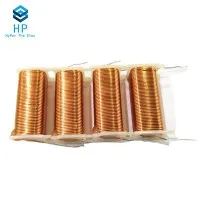

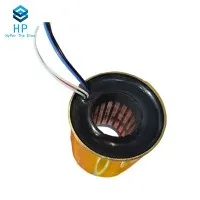

Hey there! As a supplier of Flat Wave Reactors, I've been getting a lot of questions lately about how to optimize the design of these reactors for specific applications. So, I thought I'd share some insights based on my experience in the industry.
First off, let's understand what a Flat Wave Reactor is. You can learn more about it here: Flat Wave Reactor. In simple terms, it's a key component in electrical systems that helps in controlling and stabilizing electrical currents. It's often used in power factor correction, harmonic filtering, and current limiting applications.
Understanding the Specific Application
The first step in optimizing the design of a Flat Wave Reactor is to have a clear understanding of the specific application. Different applications have different requirements, and the reactor needs to be tailored accordingly.
For example, in power factor compensation, the goal is to improve the efficiency of the electrical system by reducing the reactive power. You can find more about Power Factor Compensation Reactors here: Power Factor Compensation Reactor. In this case, the Flat Wave Reactor needs to be designed to handle the specific power factor requirements of the system. The reactor should be able to adjust the phase angle between the voltage and current, thereby reducing the reactive power and improving the overall power factor.
On the other hand, if the application is for smoothing the current in a DC circuit, the reactor acts as a Smoothing Reactor. It helps in reducing the ripple current and providing a more stable DC output. The design of the reactor in this case should focus on its inductance value and the ability to handle the DC current without saturation.
Key Design Parameters
Once you've identified the specific application, there are several key design parameters that need to be considered.
Inductance Value
The inductance value of the Flat Wave Reactor is one of the most important parameters. It determines the reactor's ability to store and release energy in the form of a magnetic field. The inductance value should be carefully selected based on the application requirements. For example, in a power factor correction application, a higher inductance value may be required to achieve a better power factor. However, a very high inductance value can also lead to increased losses and a larger physical size of the reactor.


Current Rating
The current rating of the reactor is another crucial parameter. It indicates the maximum current that the reactor can handle without overheating or getting damaged. The current rating should be selected based on the maximum current expected in the application. It's important to consider both the steady - state current and any transient currents that may occur. For example, in a motor drive application, the reactor may need to handle high inrush currents during motor startup.
Frequency
The operating frequency of the electrical system also plays a significant role in the design of the Flat Wave Reactor. Different frequencies can affect the performance of the reactor, especially its impedance. For example, in a high - frequency application, the skin effect and proximity effect can become more pronounced, leading to increased losses in the reactor. The design should take these effects into account and select the appropriate conductor materials and winding configurations to minimize the losses.
Temperature Rise
The temperature rise of the reactor is an important consideration for its reliability and longevity. During operation, the reactor dissipates energy in the form of heat due to resistive losses in the windings and core losses. The design should ensure that the temperature rise is within acceptable limits. This can be achieved by selecting appropriate materials with good thermal conductivity, providing adequate ventilation, and designing the reactor with a proper cooling system if necessary.
Material Selection
The choice of materials used in the construction of the Flat Wave Reactor can have a significant impact on its performance and cost.
Core Material
The core material of the reactor is responsible for storing and transferring the magnetic energy. Common core materials include laminated steel, ferrite, and powder cores. Laminated steel cores are widely used due to their high magnetic permeability and relatively low cost. However, they may have higher core losses at high frequencies. Ferrite cores have low core losses at high frequencies but are more brittle and have a lower saturation flux density. Powder cores offer a good compromise between high frequency performance and saturation characteristics.
Conductor Material
The conductor material used in the windings of the reactor affects its resistance and current - carrying capacity. Copper is the most commonly used conductor material due to its high electrical conductivity and good thermal properties. Aluminum can also be used as a more cost - effective alternative, but it has a lower electrical conductivity and requires a larger cross - sectional area to carry the same current as copper.
Winding Configuration
The winding configuration of the Flat Wave Reactor can be optimized to improve its performance.
Single - Layer vs. Multi - Layer Windings
Single - layer windings are simpler to manufacture and have lower capacitance between the turns. However, they may have a larger physical size for a given inductance value. Multi - layer windings can achieve a higher inductance density but may have higher inter - turn capacitance, which can lead to increased losses at high frequencies.
Helical vs. Spiral Windings
Helical windings are often used in reactors where a high current rating is required. They provide a more uniform distribution of the current and can handle higher currents without overheating. Spiral windings, on the other hand, are more suitable for applications where a compact design is needed.
Testing and Validation
After the design of the Flat Wave Reactor is complete, it's important to test and validate its performance. This can be done through various tests, including:
Inductance Measurement
The inductance of the reactor can be measured using an LCR meter or an impedance analyzer. The measured inductance value should be within the specified tolerance of the design value.
Current - Carrying Capacity Test
The current - carrying capacity of the reactor can be tested by applying a known current to the reactor and monitoring its temperature rise. The test should be conducted for a sufficient period of time to ensure that the reactor can handle the rated current without overheating.
Power Factor and Efficiency Tests
In a power factor correction application, the power factor and efficiency of the reactor can be tested using a power analyzer. The test should be conducted under different operating conditions to ensure that the reactor meets the performance requirements.
Conclusion
Optimizing the design of a Flat Wave Reactor for specific applications requires a comprehensive understanding of the application requirements, careful selection of design parameters, appropriate material selection, and proper winding configuration. By paying attention to these factors and conducting thorough testing and validation, we can ensure that the reactor provides reliable and efficient performance in the intended application.
If you're interested in learning more about our Flat Wave Reactors or have a specific application in mind, we'd love to have a chat with you. Contact us to start a procurement discussion and find the best solution for your needs.
References
- Grover, F. W. (1946). Inductance Calculations: Working Formulas and Tables. Dover Publications.
- Chapman, S. J. (2012). Electric Machinery Fundamentals. McGraw - Hill Education.
- Wadhwa, C. L. (2010). Electrical Power Systems. New Age International.