


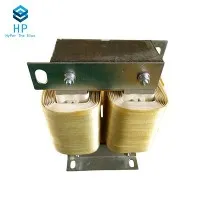



Designing a flat wave reactor is a complex yet rewarding process that requires a deep understanding of electrical engineering principles and the specific requirements of the application. As a supplier of flat wave reactors, I have had the privilege of being involved in numerous design projects, and I am excited to share my insights on how to design an effective flat wave reactor.
Understanding the Basics of Flat Wave Reactors
Before delving into the design process, it is essential to understand what a flat wave reactor is and its function. A flat wave reactor, also known as a smoothing reactor, is an electrical device used to reduce the ripple in direct current (DC) circuits. It is typically connected in series with a DC load to smooth out the current waveform, making it more stable and reducing electrical noise.
Flat wave reactors are commonly used in various applications, including power supplies, motor drives, and renewable energy systems. In power supplies, they help to improve the power quality by reducing the ripple voltage and current, which can cause interference with other electrical equipment. In motor drives, they can enhance the performance of the motor by providing a more stable current supply. In renewable energy systems, such as solar and wind power plants, flat wave reactors are used to smooth out the DC output from the inverters before it is fed into the grid.
Key Design Considerations
Designing a flat wave reactor involves several key considerations, including the following:
1. Ripple Current and Voltage Requirements
The first step in designing a flat wave reactor is to determine the required ripple current and voltage specifications. These specifications are typically determined by the application requirements and the electrical characteristics of the load. For example, in a power supply application, the ripple voltage should be kept within a certain range to ensure the proper operation of the connected equipment. The ripple current, on the other hand, affects the size and rating of the reactor.
2. Inductance Value
The inductance value of the flat wave reactor is a critical parameter that determines its ability to smooth out the current waveform. The inductance value is calculated based on the ripple current and voltage requirements, as well as the operating frequency of the circuit. A higher inductance value generally results in better ripple reduction but may also increase the size and cost of the reactor.
3. Core Material and Design
The core material and design of the flat wave reactor have a significant impact on its performance and efficiency. Common core materials include iron, ferrite, and powder cores. Each material has its own advantages and disadvantages in terms of magnetic properties, saturation characteristics, and cost. The core design, such as the shape and size of the core, also affects the inductance value and the magnetic field distribution within the reactor.
4. Current Rating
The current rating of the flat wave reactor is determined by the maximum current that the reactor will carry during normal operation. It is important to select a reactor with a current rating that is sufficient to handle the expected current without overheating or saturating the core. The current rating also affects the size and cost of the reactor.
5. Temperature Rise
The temperature rise of the flat wave reactor is an important consideration, especially in high-power applications. Excessive temperature rise can reduce the efficiency of the reactor and shorten its lifespan. To ensure proper thermal management, the reactor should be designed with adequate cooling provisions, such as heat sinks or forced air cooling.
6. Insulation and Dielectric Strength
The insulation and dielectric strength of the flat wave reactor are crucial for ensuring its safety and reliability. The insulation materials used in the reactor should be able to withstand the operating voltage and temperature without breaking down. The dielectric strength of the insulation should also be sufficient to prevent electrical breakdown between the windings and the core.
Design Process
The design process of a flat wave reactor typically involves the following steps:
1. Define the Requirements
The first step is to clearly define the requirements of the flat wave reactor, including the ripple current and voltage specifications, the inductance value, the current rating, and the operating frequency. These requirements should be based on the specific application and the electrical characteristics of the load.
2. Select the Core Material and Design
Based on the requirements, select the appropriate core material and design. Consider the magnetic properties, saturation characteristics, and cost of the core material. The core design should be optimized to achieve the desired inductance value and magnetic field distribution.
3. Calculate the Inductance and Number of Turns
Using the selected core material and design, calculate the inductance value and the number of turns required for the reactor. The inductance calculation can be done using analytical formulas or numerical simulation methods. The number of turns is determined by the inductance value, the core cross-sectional area, and the magnetic permeability of the core material.
4. Select the Wire Size and Winding Configuration
Select the appropriate wire size and winding configuration based on the current rating and the number of turns. The wire size should be large enough to handle the expected current without excessive voltage drop or heating. The winding configuration, such as single-layer or multi-layer winding, can affect the inductance value and the magnetic coupling between the windings.
5. Perform Thermal Analysis
Perform a thermal analysis to ensure that the reactor will not overheat during normal operation. Consider the power losses in the core and the windings, as well as the cooling provisions. The thermal analysis can be done using analytical formulas or numerical simulation methods.


6. Verify the Design
Once the design is complete, verify the performance of the flat wave reactor using simulation tools or experimental testing. Compare the simulated or measured results with the design requirements to ensure that the reactor meets the specifications. Make any necessary adjustments to the design if the results do not meet the requirements.
Our Offerings as a Flat Wave Reactor Supplier
As a leading supplier of flat wave reactors, we offer a wide range of products that are designed to meet the diverse needs of our customers. Our flat wave reactors are manufactured using high-quality materials and advanced manufacturing processes to ensure superior performance and reliability.
We have a team of experienced engineers who can work closely with you to understand your specific requirements and design a custom flat wave reactor that meets your exact specifications. Whether you need a standard reactor or a custom-designed solution, we have the expertise and resources to deliver a high-quality product that meets your needs.
In addition to flat wave reactors, we also offer a variety of other electrical reactors, including Power Factor Compensation Reactor and Current Limiting Reactor. Our products are widely used in various industries, such as power generation, industrial automation, and renewable energy.
Contact Us for Procurement and Consultation
If you are interested in purchasing a flat wave reactor or need more information about our products and services, please do not hesitate to contact us. Our sales team is ready to assist you with your procurement needs and provide you with detailed technical information and pricing.
We believe that our high-quality products, combined with our excellent customer service, make us the ideal partner for your flat wave reactor requirements. Whether you are a small business or a large corporation, we are committed to providing you with the best possible solutions at competitive prices.
References
- Grover, F. W. (1946). Inductance Calculations: Working Formulas and Tables. Dover Publications.
- McLyman, C. W. (1988). Transformer and Inductor Design Handbook. Marcel Dekker.
- Terman, F. E. (1955). Electronic and Radio Engineering. McGraw-Hill.