


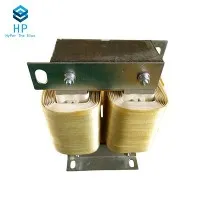

Yo, what's up! I'm a supplier of Balancing Reactors, and today I wanna talk about the impact of humidity on the performance of a Balancing Reactor.
First off, let's get a bit of background. A Balancing Reactor is a key component in electrical systems. It helps in balancing the current and voltage in different parts of the circuit. It's used in a bunch of applications, from industrial power systems to some complex electrical set - ups.
Now, humidity. It's that invisible factor that can mess with a lot of things, and Balancing Reactors are no exception. When the humidity in the environment where a Balancing Reactor is operating goes up, there are several things that can happen.
One of the main issues is corrosion. High humidity means there's more moisture in the air. This moisture can settle on the surface of the reactor. Over time, this can lead to corrosion of the metal parts of the reactor. The coils, which are usually made of copper or aluminum, are particularly vulnerable. Corrosion can increase the resistance of the coils. And when the resistance goes up, the power losses in the reactor also increase. This means that the reactor has to work harder to do its job, which can lead to overheating.
Let's say you have a Balancing Reactor in a place with a really high humidity level, like a coastal area. The salty air combined with high humidity is a recipe for disaster. The salt in the air can accelerate the corrosion process. As the corrosion progresses, the electrical performance of the reactor degrades. The current - balancing ability might not be as effective as it should be. This can cause imbalances in the electrical system, which can lead to problems in other components connected to the system.
Another problem related to humidity is insulation degradation. The insulation materials used in Balancing Reactors are designed to keep the electrical current flowing in the right places. But when there's a lot of moisture in the air, the insulation can absorb that moisture. This can reduce the insulation resistance. When the insulation resistance drops, there's a higher risk of electrical leakage. Electrical leakage not only wastes power but can also be a safety hazard. If the leakage is severe enough, it can cause short - circuits, which can damage the reactor and other equipment in the system.
In addition to corrosion and insulation degradation, humidity can also affect the mechanical properties of the reactor. The expansion and contraction of materials due to changes in humidity can cause mechanical stress on the reactor. For example, if the humidity suddenly drops after being high for a while, the materials in the reactor might contract. This can cause cracks in the insulation or even in the coils. These cracks can further compromise the performance and safety of the reactor.
Now, let's talk about how we can deal with the impact of humidity on Balancing Reactors. One option is to use proper enclosures. A well - sealed enclosure can protect the reactor from direct exposure to the humid air. We can also use dehumidifiers in the area where the reactor is installed. Dehumidifiers can help keep the humidity level within an acceptable range. This reduces the risk of corrosion, insulation degradation, and mechanical stress.
Another approach is to use materials that are more resistant to humidity. For the coils, we can use coated or treated metals that are less likely to corrode. For the insulation, we can choose materials that have better moisture - resistance properties. At our company, we're always looking for ways to improve the humidity - resistance of our Balancing Reactors. We test different materials and designs to make sure our reactors can perform well even in challenging environments.
It's also important to monitor the humidity levels regularly. By keeping an eye on the humidity, we can take preventive measures before any serious damage occurs. If the humidity is getting too high, we can adjust the ventilation or use additional dehumidification methods.
Let's compare Balancing Reactors with other types of reactors, like Power Factor Compensation Reactors and Flat Wave Reactors. While all these reactors are affected by humidity to some extent, the impact might vary. Power Factor Compensation Reactors are mainly used to improve the power factor of an electrical system. High humidity can also cause corrosion and insulation problems in these reactors, which can reduce their effectiveness in power factor correction.
Flat Wave Reactors are used to smooth out the current waveform. Humidity can affect their performance by causing changes in the electrical characteristics of the coils. However, the specific design and application of each type of reactor mean that the exact impact of humidity can be different.


In conclusion, humidity can have a significant impact on the performance of Balancing Reactors. It can cause corrosion, insulation degradation, and mechanical stress, all of which can lead to reduced performance and potential safety hazards. But with the right measures, like proper enclosures, dehumidification, and the use of humidity - resistant materials, we can minimize these effects.
If you're in the market for a Balancing Reactor or any other type of electrical reactor, and you're concerned about humidity or other environmental factors, don't hesitate to reach out. We're here to help you choose the right product for your needs and ensure that it performs well in your specific environment. Contact us for a consultation and let's start a conversation about your requirements.
References
- Electrical Engineering Handbook, various editions
- Journals on electrical component performance and environmental factors