




As a seasoned supplier of smoothing reactors, I've witnessed firsthand the crucial role these components play in various electrical systems. In this blog, I'll delve into the typical structure of a smoothing reactor, exploring its key components, design considerations, and how it compares to other types of reactors like Power Factor Compensation Reactor, Current Limiting Reactor, and Balancing Reactor.
Basic Components of a Smoothing Reactor
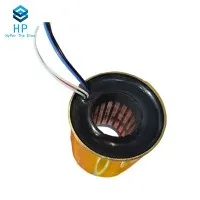
A smoothing reactor is primarily composed of three main parts: the core, the winding, and the enclosure. Each of these components has a specific function and is designed to work together to ensure the efficient operation of the reactor.
Core
The core is the central part of the smoothing reactor and is typically made of a magnetic material such as laminated steel. The choice of core material is crucial as it affects the magnetic properties of the reactor. Laminated steel is commonly used because it reduces eddy current losses, which can cause heating and energy inefficiency. The core is designed to provide a low - reluctance path for the magnetic flux generated by the current flowing through the winding.
The shape of the core can vary depending on the application and design requirements. Common core shapes include E - shaped, C - shaped, and toroidal. Toroidal cores are often preferred in high - frequency applications because they have a more uniform magnetic field distribution, which results in lower electromagnetic interference (EMI).
Winding
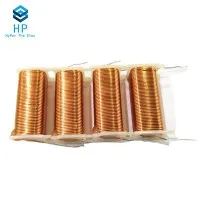
The winding is the part of the smoothing reactor that carries the electrical current. It is usually made of copper or aluminum conductors, with copper being the more common choice due to its higher conductivity. The winding is wound around the core in a specific pattern to create the desired inductance.


The number of turns in the winding, the cross - sectional area of the conductor, and the arrangement of the turns all affect the electrical properties of the reactor. For example, increasing the number of turns will increase the inductance, while increasing the cross - sectional area of the conductor will reduce the resistance and thus the power losses.
The winding may also be insulated to prevent short - circuits and to protect it from environmental factors such as moisture and dust. Insulation materials such as paper, mica, or epoxy resin are commonly used.
Enclosure
The enclosure serves several important functions. Firstly, it protects the core and the winding from mechanical damage, dust, and moisture. Secondly, it provides electrical insulation and helps to contain the magnetic field generated by the reactor.
Enclosures are typically made of metal, such as steel or aluminum, which provides good mechanical strength and electromagnetic shielding. They may also be coated with a protective layer to prevent corrosion. The enclosure is designed to be sealed to prevent the ingress of contaminants, and it may have ventilation holes or cooling fins to dissipate heat generated during operation.
Design Considerations
When designing a smoothing reactor, several factors need to be taken into account to ensure optimal performance.
Inductance
Inductance is one of the most important electrical properties of a smoothing reactor. It is determined by the number of turns in the winding, the geometry of the core, and the magnetic properties of the core material. The required inductance value depends on the specific application. For example, in a direct - current (DC) power supply, the smoothing reactor is used to reduce the ripple current. A higher inductance value will result in a lower ripple current, but it may also increase the size and cost of the reactor.
Current Rating
The current rating of the smoothing reactor is another critical factor. It is determined by the maximum current that the reactor is expected to carry without overheating. The current rating depends on the cross - sectional area of the winding conductor, the thermal properties of the conductor and the enclosure, and the cooling method. If the current exceeds the rating, it can cause excessive heating, which can damage the winding insulation and reduce the lifespan of the reactor.
Frequency
The operating frequency of the smoothing reactor also affects its design. In high - frequency applications, the skin effect and proximity effect become more significant. The skin effect causes the current to flow mainly near the surface of the conductor, increasing the effective resistance. The proximity effect occurs when two or more conductors are placed close to each other, and it also affects the current distribution in the conductors. To mitigate these effects, special conductor designs such as stranded conductors or litz wire may be used.
Comparison with Other Reactors
Smoothing reactors are often compared with other types of reactors such as Power Factor Compensation Reactor, Current Limiting Reactor, and Balancing Reactor.
Power Factor Compensation Reactor
Power factor compensation reactors are used to improve the power factor of an electrical system. They work by providing reactive power to offset the reactive power consumed by inductive loads. In contrast, smoothing reactors are mainly used to reduce ripple current in DC circuits. While both types of reactors use inductance, their applications and design requirements are different. Power factor compensation reactors are designed to operate at the system frequency (usually 50 or 60 Hz), and their inductance values are chosen based on the amount of reactive power to be compensated.
Current Limiting Reactor
Current limiting reactors are used to limit the short - circuit current in an electrical system. They are designed to have a relatively high impedance during short - circuit conditions to reduce the fault current to a safe level. Smoothing reactors, on the other hand, are designed to operate under normal operating conditions and are not primarily intended for short - circuit protection. The design of current limiting reactors focuses on their ability to withstand high - current surges, while smoothing reactors are designed for continuous operation with relatively stable currents.
Balancing Reactor
Balancing reactors are used in multi - phase systems to balance the currents between different phases. They ensure that the current in each phase is equal, which helps to improve the efficiency and stability of the system. Smoothing reactors are mainly concerned with the DC component of the current and reducing ripple, rather than phase - current balancing.
Importance of Quality Smoothing Reactors
In many electrical systems, the performance of the entire system depends on the quality of the smoothing reactor. A well - designed and manufactured smoothing reactor can improve the efficiency of the power supply, reduce electromagnetic interference, and extend the lifespan of other components in the system.
For example, in a high - power DC motor drive system, a high - quality smoothing reactor can reduce the ripple current, which in turn reduces the torque ripple of the motor. This results in smoother operation, less mechanical stress on the motor, and improved overall system performance.
Contact for Purchase and洽谈
If you are in the market for high - quality smoothing reactors, we are here to help. Our team of experts can provide you with customized solutions based on your specific requirements. Whether you need a reactor for a small - scale laboratory application or a large - scale industrial project, we have the expertise and resources to deliver. Contact us today to start a discussion about your needs and how we can meet them.
References
- Grover, F. W. (1946). Inductance Calculations: Working Formulas and Tables. Dover Publications.
- Chapman, S. J. (2012). Electric Machinery Fundamentals. McGraw - Hill.
- Nasar, S. A., & Unnewehr, L. E. (1993). Electromagnetic Fields and Machines. Wiley - Interscience.