


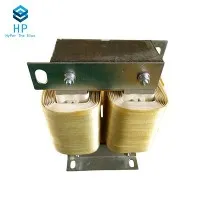



In the realm of electrical engineering, balancing reactors play a pivotal role in ensuring the stable and efficient operation of various power systems. As a dedicated supplier of Balancing Reactors, I am often asked about the maintenance cycle of these crucial components. In this blog, I will delve into the factors that influence the maintenance cycle of a Balancing Reactor and provide insights to help you optimize its performance and longevity.
Understanding the Balancing Reactor
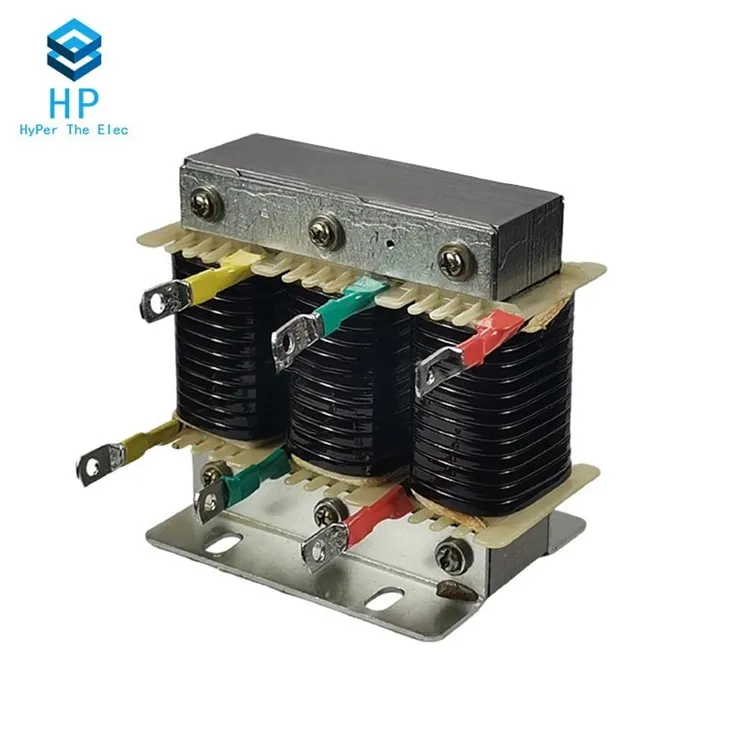
Before discussing the maintenance cycle, it's essential to understand what a Balancing Reactor is and how it functions. A Balancing Reactor is a type of electrical reactor used in power systems to balance the current distribution between parallel circuits. It helps to equalize the current flow, reduce circulating currents, and improve the overall stability of the system. Balancing reactors are commonly used in applications such as rectifier systems, DC power transmission, and industrial power supplies.
Factors Influencing the Maintenance Cycle
The maintenance cycle of a Balancing Reactor is influenced by several factors, including the operating environment, load conditions, and the quality of the reactor itself. Here are some key factors to consider:
Operating Environment
The operating environment has a significant impact on the maintenance cycle of a Balancing Reactor. Harsh environments, such as high temperatures, high humidity, and dusty conditions, can accelerate the aging process of the reactor and increase the risk of component failure. In such environments, more frequent maintenance may be required to ensure the reliable operation of the reactor.
Load Conditions
The load conditions under which the Balancing Reactor operates also affect its maintenance cycle. Continuous operation at high loads can cause the reactor to heat up, leading to thermal stress and potential damage to the insulation and other components. On the other hand, intermittent or light loads may require less frequent maintenance. It's important to monitor the load conditions and adjust the maintenance schedule accordingly.
Quality of the Reactor
The quality of the Balancing Reactor itself is another crucial factor in determining its maintenance cycle. High-quality reactors are typically designed and manufactured to withstand the rigors of continuous operation and are less likely to experience premature failure. When selecting a Balancing Reactor, it's important to choose a reputable supplier that uses high-quality materials and advanced manufacturing processes.

Recommended Maintenance Cycle
Based on our experience as a Balancing Reactor supplier, we recommend the following maintenance cycle for most applications:
Visual Inspection
A visual inspection of the Balancing Reactor should be performed at least once a year. During the inspection, check for any signs of physical damage, such as cracks, corrosion, or loose connections. Also, inspect the insulation for any signs of deterioration or overheating.
Electrical Testing
Electrical testing of the Balancing Reactor should be performed every two to three years. This includes measuring the resistance, inductance, and capacitance of the reactor to ensure that it is operating within the specified parameters. Additionally, perform a dielectric strength test to check the integrity of the insulation.
Cleaning
The Balancing Reactor should be cleaned periodically to remove any dust, dirt, or debris that may accumulate on the surface. This can be done using a soft brush or compressed air. Avoid using harsh chemicals or abrasive materials that may damage the reactor.
Lubrication
If the Balancing Reactor has moving parts, such as fans or bearings, they should be lubricated according to the manufacturer's recommendations. This helps to reduce friction and wear, and extends the lifespan of the components.
Benefits of Regular Maintenance
Regular maintenance of the Balancing Reactor offers several benefits, including:
Improved Reliability
By performing regular maintenance, you can identify and address potential issues before they lead to component failure. This helps to improve the reliability of the Balancing Reactor and reduces the risk of unplanned downtime.
Extended Lifespan
Proper maintenance can extend the lifespan of the Balancing Reactor by reducing the wear and tear on the components. This can save you money in the long run by avoiding the need for premature replacement of the reactor.
Energy Efficiency
A well-maintained Balancing Reactor operates more efficiently, which can result in lower energy consumption and reduced operating costs. By optimizing the performance of the reactor, you can also improve the overall efficiency of the power system.
Other Related Reactors
In addition to Balancing Reactors, we also supply other types of reactors, such as Power Factor Compensation Reactors and Flat Wave Reactors. These reactors play important roles in power systems and also require regular maintenance to ensure their optimal performance.
Power Factor Compensation Reactors are used to improve the power factor of the electrical system, which helps to reduce energy consumption and improve the efficiency of the system. Flat Wave Reactors are used to smooth out the ripple in DC power supplies, which is essential for the proper operation of sensitive electronic equipment.
Conclusion
In conclusion, the maintenance cycle of a Balancing Reactor is influenced by several factors, including the operating environment, load conditions, and the quality of the reactor. By following the recommended maintenance cycle and performing regular inspections and testing, you can ensure the reliable operation of the Balancing Reactor and extend its lifespan. As a leading supplier of Balancing Reactors, we are committed to providing our customers with high-quality products and comprehensive support. If you have any questions about the maintenance of your Balancing Reactor or are interested in purchasing a new reactor, please feel free to contact us. We look forward to discussing your specific needs and providing you with the best solutions.
References
- Electrical Power Systems: Design and Analysis, Third Edition by Turan Gonen
- Handbook of Electrical Engineering by Frank D. Petruzella
- Power System Analysis and Design, Fifth Edition by J. Duncan Glover, Mulukutla S. Sarma, and Thomas J. Overbye